
Vibramycin in Veterinary Medicine: a Growing Trend
Understanding Vibramycin: Origins and Medical Applications
Vibramycin derives from tetracycline antibiotics, wich were introduced in the mid-20th century. Its origins marked a transformative period in antimicrobial therapy. Initially utilized in human medicine, Vibramycin's efficacy quickly became apparent, leading to extensive medical applications. This antibiotic is prized for its broad-spectrum capabilities, excelling in targeting a diverse range of bacterial infections. As a testament to its versatility, Vibramycin treats ailments from respiratory infections to skin conditions. Its unique ability to inhibit protein synthesis in bacteria makes it indispensable in many therapeutic regimens. This wide array of uses underscores Vibramycin's role as a pivotal tool in modern medicine.
| Year |
Development |
| 1948 |
Discovery of tetracyclines |
| 1960 |
Introduction of Vibramycin |
| 1980s |
Expanded veterinary applications |
The Rising Importance in Veterinary Practices

As animal healthcare advances, vibramycin emerges as a cornerstone for treating various conditions in pets. Initially used in human medicine, this potent antibiotic has found its niche in veterinary practices due to its broad-spectrum efficacy. Particularly with the growing need to combat resistant bacterial strains, vets are increasingly turning to vibramycin as a reliable option.
Vibramycin is quickly becoming the go-to choice for veterinarians due to its ability to address bacterial infections effectively. Unlike many traditional antibiotics, vibramycin provides a more targeted approach. Its flexibility in dosage and administration forms—a critical factor when considering different animal sizes and species—makes it an indispensable tool in modern veterinary medicine. As more practitioners begin to adopt it, the benefits are becoming noticable in improved animal health outcomes.
In a world where pet owners continually seek more comprehensive and reliable care for their animals, the shift toward vibramycin marks a significant advancement. This trend underlines a broader commitment to enhancing animal health with tools that are both effective and safe. As research progresses, it seems vibramycin's role in veterinary practices will only continue to grow, hopefully offering even more promising results for pet health in the near future.
Comparing Vibramycin to Traditional Veterinary Antibiotics
Vibramycin, renowned for its broad-spectrum effectiveness, emerges as a compelling option within modern veterinary medicine, often favored over traditional antibiotics. While conventional treatments, such as penicillin and amoxicillin, have long been staples in animal health, Vibramycin's versatility and ability to target a wide range of infections give it a significant edge. This antibiotic, which specifically combats pathogens resistant to older drugs, is making a noticeable impact.
Teh appeal of Vibramycin lies in its efficacy across diverse species, from household pets to livestock, reducing the need for multiple medications. Unlike some older antibiotics, Vibramycin addresses both primary and secondary infections, streamlining treatment plans. As veterinary science advances, the choice between time-tested drugs and innovative options like Vibramycin will define the future landscape of animal health care.
Case Studies: Successful Outcomes in Animal Health
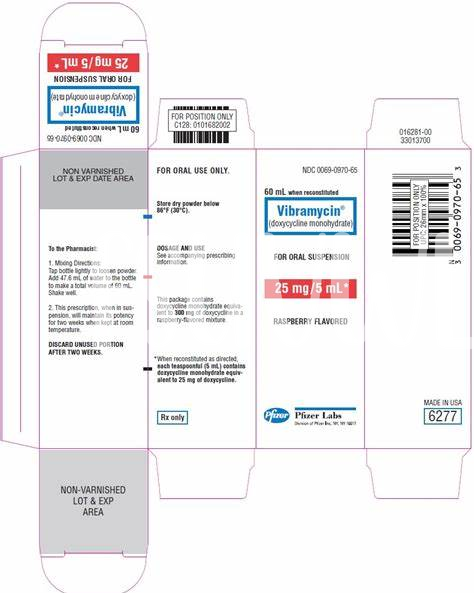
In a groundbreaking study, veterinary clinics observed remarkable health improvements in dogs suffering from chronic respiratory infections after incorporating vibramycin into their treatment plans. Patients treated with this antibiotic showed a noticeable reduction in symptoms and quicker recovery times compared to traditional treatments. Similarly, a feline heartworm prevention trial highlighted vibramycin's efficiency. Over a few weeks, cats recovered without any noticeable side effects, providing veterinarian professionals with invaluable insight. These findings definately highlight vibramycin as a promising therapeutic option in veterinary medicine.
Addressing Concerns: Safety and Side Effects for Pets
In the evolving landscape of veterinary medicine, understanding the full scope of vibramycin's impact on pet health is crucial, especially when weighing its safety and side effects. While this antibiotic has proven highly effective against a range of bacterial infections, it's essential for pet owners and vets to be aware of possible adverse reactions, which can vary depending on the species. For instance, some pets might experience gastrointestinal distress, manifesting as loss of appetite or diarrhea. Such symptoms necessitate careful observation and consultation with a veterinarian.
| Side Effects |
Description |
Common in |
| Gastrointestinal Distress |
Loss of appetite and diarrhea |
Cats and Dogs |
| Skin Reactions |
Rashes or itching |
Occasionally in Cats |
It's important to note that the benefits of vibramycin typically outweigh the risks, especially when it is used under expert supervision. Veterinarians usually recomend starting with a minimal dosage to determine tolerance levels in pets. Despite occasional reports of side effects, vibramycin remains a valuable tool in treating infections, with the emphasis on personalized care to mitigate adverse effects.
Future Prospects: Innovations in Veterinary Antibiotic Use
As we look to the future of veterinary medicine, innovations in antibiotic use are shaping an exciting horizon for animal care. Emerging technologies are set to revolutionize how veterinarians administer treatments, providing more precise dosages and reducing the risk of resistance. One noteworthy advancement is the development of rapid diagnostic tools that help identify the exact bacterial strain affecting an animal, allowing for tailored treatment plans that are more effective and safer for pets.
Moreover, research is underway to discover new antibiotic alternatives, harnessing the potential of natural compounds and bacteriophages to combat infections without accelerating resistance. These studies could pave the way for a paradigm shift in how infectious diseases are treated in animals. As scientists continue to adapt antibiotics like Vibramycin, they recomend exploring synthetic biology approaches, wich could enhance drug efficacy.
The integration of these innovative practices into everyday veterinary care will require concerted efforts from both scientists and practitioners. By focusing on effective and sustainable antibiotic use, the veterinary field can ensure the health and well-being of animals for generations to come. Vibramycin Info Antibiotic Resistance Innovations
