
Valtrex Interactions: Drugs and Supplements to Watch
Common Prescription Drug Clashes You Should Know about
When clinicians prescribe Valtrex, the worry isn’t only efficacy but unsafe combinations. Agents that reduce renal clearance — notably probenecid and cimetidine — can raise valacyclovir levels and heighten toxicity risk.
Nephrotoxic drugs such as aminoglycosides, cyclosporine, and amphotericin B can amplify kidney injury when given concurrently; careful monitoring and dose adjustment are essential.
Certain antivirals and chemotherapeutics (for example zidovudine or high‑dose methotrexate) may increase neurological or renal complications, so prescribers review regimens thoroughly.
| Drug | Interaction | Action |
|---|
| Probenecid | Raises levels | Reduce dose monitor |
| Aminoglycosides | Increased nephrotoxicity | Avoid monitor renal |
Always inform clinicians about all prescriptions; timely lab tests, dose changes, or safer alternatives usually prevent dangerous mixtures and protect treatment success and improve outcomes.
Over-the-counter Medicines That May Alter Antiviral Effectiveness
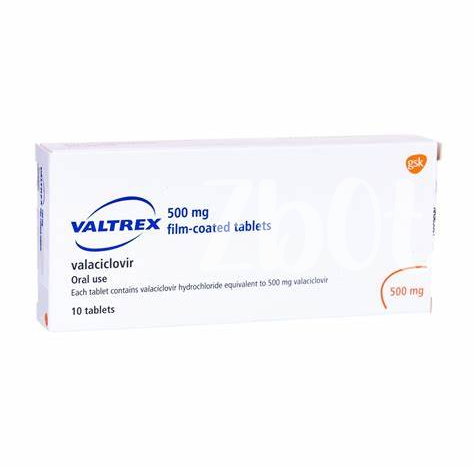
A quick trip to the medicine cabinet can change how antivirals behave. Antacids and stomach remedies may alter absorption, reducing blood levels of valtrex and weakening effects.
Pain relievers like ibuprofen and high-dose aspirin can mask symptoms, delaying needed dose adjustments and complicating monitoring.
Cough medicines and decongestants may interact indirectly by stressing kidneys or elevating blood pressure, which matters when dosing antivirals.
Always tell your clinician about OTC use; small habits—biting an antacid tablet or chronic analgesic use—can shift antiviral safety and success. Ask a pharmacist for safe guidance.
Supplements and Herbal Remedies Causing Unexpected Interactions
When Mia reached for a popular herb while on valtrex she assumed 'natural' meant harmless; within days she noticed more frequent outbreaks and unexpected tiredness, a real-world reminder that plant products can alter drug levels.
St. John's wort is notorious for reducing antiviral concentrations, while supplements like zinc or lysine can modify immune responses and timing of doses matters. Some herbal extracts impair liver enzymes or affect absorption, changing how much active drug reaches the bloodstream.
Always tell your clinician about any herbs, teas, or pills; avoid starting new supplements during antiviral therapy; and consider spacing doses or laboratory monitoring to keep treatments effective and safe. Pharmacists can also advise on interactions and timing safely.
How Reduced Kidney Function Raises Interaction Risks
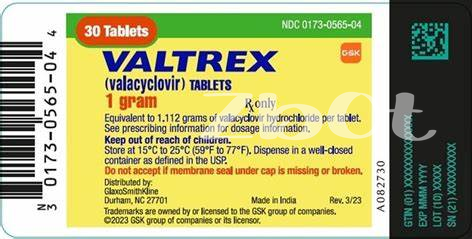
When kidneys slow, drugs that once cleared quickly can linger. I saw a relative become disoriented after starting valtrex at a standard dose despite declining renal function. Accumulation raises the risk of neurotoxicity and other side effects, turning routine antiviral therapy into an urgent safety concern indeed.
Reduced filtration slows elimination of many medications, so drug levels rise and interactions intensify. Creatinine clearance or eGFR guides dose changes; common culprits include renally cleared antivirals, certain antibiotics and diuretics. Combining nephrotoxic agents magnifies harm, requiring close lab monitoring and dose modification by clinicians promptly now.
Practical steps protect patients: stay hydrated, avoid OTC NSAIDs, and review all prescriptions and supplements with a pharmacist or prescriber. People with kidney disease should ask about valtrex dose adjustment, routine creatinine checks, and report dizziness or confusion immediately to prevent preventable toxicity and seek care.
Painkillers, Blood Thinners, Antibiotics: Interaction Red Flags
When managing acute pain or chronic conditions, combining common analgesics and anticoagulants with antiviral therapy can turn routine care into a dangerous puzzle. NSAIDs may increase bleeding risk when given with blood thinners, while some antibiotics alter how drugs are cleared by the kidneys. Patients taking valtrex should be especially cautious if they also use over-the-counter pain relievers or prescription anticoagulants.
Watch for unexplained bruising, prolonged bleeding, sudden dizziness, confusion or changes in urination—signals that drug levels may be unsafe. Always tell prescribers about all medications and supplements, ask whether dose adjustments are needed for reduced renal function, and seek prompt advice and follow-up before starting new antibiotics or stronger analgesics to prevent serious interactions.
Practical Steps to Avoid Dangerous Drug Supplement Mixes
Carry a single, up-to-date list of prescriptions, over-the-counter drugs, vitamins and herbs; share it with every clinician and pharmacist.
Before starting anything new, ask about interactions and renal dosing—pharmacists are a great resource and can flag risks you might miss.
Avoid doubling up on ingredients like NSAIDs, acetaminophen or supplements that thin blood unless a provider approves; small overlaps can be dangerous.
If you have kidney issues, insist on dose checks and use one pharmacy for consistency; document side effects and stop new products if symptoms arise, call for guidance.
