
Cognitive Effects: Does Topamax Affect Memory?
How Topamax Works in the Brain
Imagine the mind as a busy city where electrical signals are traffic; the medication calms rush hour. Topiramate boosts inhibitory GABA signaling, blocks certain voltage‑gated sodium and calcium channels, and dampens glutamate-mediated excitation by antagonizing AMPA/kainate receptors. It also weakly inhibits carbonic anhydrase. Together these actions reduce excessive neuronal firing and synchronize overstimulated networks, which helps control seizures and prevent migraines.
Those shifts in neurotransmission can alter memory by affecting synaptic plasticity, processing speed, and verbal fluency; patients commonly report word‑finding trouble and slower recall. Effects are often dose‑related and vary with age, baseline cognition, and co‑medications. Understanding these mechanisms clarifies why cognitive side effects occur and guides regular monitoring and management in clinical practice.
| Mechanism | Brain effect |
|---|
| GABA enhancement | Reduced excitability |
| Sodium/calcium blockade | Lower firing rate |
| Glutamate antagonism | Less synaptic excitation |
Evidence Linking Topamax to Memory Problems
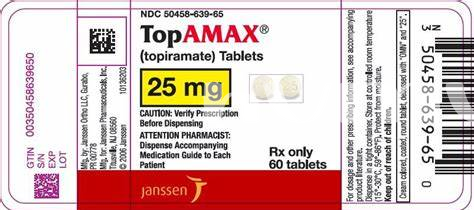
Some patients describe a foggy mind after starting treatment with topamax, and studies have documented slowed verbal fluency and word‑finding difficulties in trials.
Larger observational cohorts report higher rates of memory complaints compared with other antiepileptic drugs, though effect sizes vary between studies.
Neuropsychological tests often reveal subtle declines in attention and short‑term recall that can impact daily tasks even when lab results seem normal.
Individual responses differ, but clinicians acknowledge a plausible link; monitoring and dose adjustments frequently reduce cognitive complaints, and alternative therapies are often considered when necessary.
Who Is Most at Risk for Cognitive Effects
People with existing cognitive vulnerabilities, older adults, those with lower education or prior brain injury, and anyone taking multiple central nervous system drugs may notice sharper declines when starting topamax. Anecdotes of slowed thinking often begin soon after dose increases, especially during titration periods.
Those using higher doses, combining sedatives, or with impaired kidney function are at added risk, as are people already struggling with sleep or mood disorders. Clinicians recommend slower titration and cognitive monitoring for these patients to balance seizure or migraine control against potential memory trade offs.
Types of Memory Changes Reported by Patients

Many people on Topamax describe the first sign as a small, unsettling gap — misplacing keys, missing a familiar name, or stumbling for a word mid-sentence. These early, episodic lapses feel different from normal absentmindedness: sharper and more frequent.
Others report slowed thinking and difficulty with working memory: trouble holding multi-step instructions, losing their place in conversations, or needing notes to complete routine tasks. Verbal memory—recalling names and recent conversations—is commonly affected, while long-term factual memory often remains intact.
Severity varies by dose and person; some patients often improve after lowering or stopping Topamax, while others adapt with reminders and routines. Reporting memory changes to a clinician clarifies whether symptoms stem from medication or other causes.
Strategies to Monitor and Manage Memory Side Effects
Start by tracking changes in thinking and memory with a simple daily log noting time, task and any confusion; this creates objective patterns to discuss with your clinician regarding topamax.
Use brief cognitive tests at home, like naming five items, reciting months backward, or timed recall, to detect subtle declines and to measure improvement after dose changes.
Adjust routines: simplify tasks, set alarms, use lists and pillboxes, and ask family to help monitor mistakes; lifestyle steps such as sleep, hydration and exercise often reduce cognitive strain.
Report persistent or worsening problems promptly; your doctor may modify the regimen, adjust dosage, switch medications, or order formal neuropsychological testing to guide safer, personalized care.
When to Talk to Your Doctor about Symptoms
You might notice small lapses—finding words more slowly or misplacing items—that start gradually after a dose change. Keep track of when symptoms begin, their pattern, and whether they worsen with fatigue or concentration demands; timing helps clinicians determine if Topamax is the likely cause or if another condition or interaction is involved.
Bring a concise symptom log to appointments: examples, frequency, severity, medication list, and any alcohol or sleep disruptions. Your doctor may review dosing, run brief cognitive screening or labs, and consider tapering, switching medications, or adding supportive strategies like dose splitting or cognitive exercises.
Seek urgent care for abrupt or worsening memory changes with confusion, speech loss, falls, or marked mood shifts immediately.
