
Tirzepatide Vs Semaglutide: Key Differences Explained
Dual Incretin Versus Glp-1: How They Differ
Imagine two keys for the metabolic lock: one fits a single cylinder, the other turns two. Tirzepatide activates both glucose-dependent insulinotropic polypeptide (GIP) and glucagon-like peptide-1 (GLP-1) receptors, while GLP-1 agonists target only GLP-1. Dual receptor engagement amplifies insulin secretion, lowers glucagon, slows gastric emptying and suppresses appetite through complementary pathways. GIP’s signaling may enhance adipose tissue insulin sensitivity and central satiety responses, producing pharmacology distinct from GLP-1 alone.
Clinically this translates into stronger effects on weight and often larger reductions in HbA1c compared with single-target GLP-1 drugs, though individual response varies. The dual agonist’s broader receptor profile can also change side-effect patterns and dose-response relationships, so choice of therapy balances potency, tolerability and patient goals rather than a simple one-size-fits-all superiority. Real-world data and longer-term studies are still clarifying durability and cardiovascular outcomes for dual therapy.
| Feature |
Tirzepatide (GIP + GLP-1) |
GLP-1 Agonist |
| Receptor targets |
GIP and GLP-1 |
GLP-1 only |
| Primary effects |
Enhanced insulin secretion, greater weight loss |
Glucose lowering, weight loss |
| Common side effects |
GI symptoms; pattern may differ |
GI symptoms (nausea, vomiting) |
Weight Loss Potency and Clinical Trial Headline Results
Clinical trials have reshaped expectations around medical weight loss; participants on tirzepatide often describe rapid, visible changes that go beyond what older medications accomplished. These striking averages reflect both the drug's mechanism and trial conditions, and ongoing studies refine expectations.
Large randomized studies produced headline numbers: SURMOUNT participants receiving the highest tirzepatide dose lost around 20 to 22 percent of baseline weight at 72 weeks, while semaglutide 2.4 mg in STEP trials produced roughly 14 to 15 percent losses over similar periods.
Beyond averages, response variability and tolerability shape therapy choice: some patients achieved near-complete remission of obesity-related measures and maintained substantial reductions at one year, but real-world adherence, cost, and gastrointestinal side effects temper expectations.
Blood Sugar Control: Comparative Benefits and Durability
Clinicians note differing mechanisms yield distinct glycemic responses. Tirzepatide often produces faster, larger HbA1c drops, while GLP-1 monotherapy shows steady, reliable reductions supported by well documented long term data globally.
Trials indicate tirzepatide's greater initial glycemic impact can translate to durable control, though long term head to head data remain limited. Adherence and lifestyle strongly shape sustained outcomes in practice.
Clinicians weigh rapid HbA1c falls against safety, hypoglycemia risk when combined with insulin, and patient preference. Regular monitoring, dose adjustments, and cost considerations determine long term glycemic stability for many.
Side Effects and Tolerability in Real World Use
Many patients describe the early weeks as an adjustment period: nausea, mild vomiting, and decreased appetite are common but usually transient. Clinicians often counsel gradual titration to reduce gastrointestinal symptoms and maintain adherence to therapy.
Real-world registries show tirzepatide mirrors trial safety, though discontinuations occur when side effects persist. Injection-site reactions and rare hypoglycemia in combination with insulin are reported, prompting personalized risk assessment before prescribing and routine follow-up monitoring.
For older adults and those with multiple comorbidities, tolerability often dictates continuation. Rapid weight loss may increase gallstone risk, and pancreatitis remains a rare but serious concern, requiring prompt evaluation and clear patient education resources.
Practical strategies—slow dose escalation, antiemetic support, and scheduling doses with meals—improve tolerability and persistence. Shared decision-making, monitoring, and insurance coverage realities shape long-term success when balancing benefits against manageable adverse effects, especially those on tirzepatide.
Practical Dosing Differences, Convenience and Administration Costs
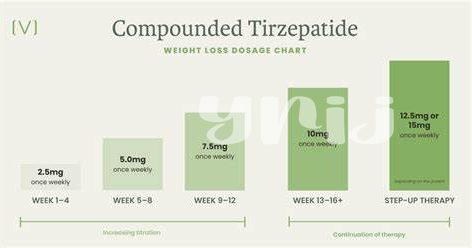
Dosing schedules shape daily life: most patients use a once-weekly injection, but starting doses and stepwise increases differ, with tirzepatide typically titrated upward more rapidly to reach higher maintenance doses, requiring closer follow-up during early titration and dose adjustments.
Pens and injection technique matter; single-use prefilled pens make administration straightforward, and needle size, storage and portability influence convenience for active people; clear instructions and brief training reduce anxiety and dosing errors.
Price varies widely; list prices for both agents are high, copays and formulary placement determine out-of-pocket cost, and patient assistance programs and manufacturer coupons can lower costs but prior authorization and budget impact remain barriers.
Clinicians balance speed of benefit, side effect risk and expense when recommending therapy, personalizing choice to lifestyle, coverage and willingness to tolerate transient symptoms, and they discuss samples, prior authorization support and follow-up plans.
| Drug | Dosing | Cost | Notes |
| tirzepatide | Once-weekly titration | High | Faster titration, potent weight effect |
| Semaglutide | Once-weekly, slower titration | High | Well-studied, gradual dose increases |
Choosing Therapy: Patient Factors, Access and Trade Offs
Deciding between tirzepatide and semaglutide often feels like choosing between speed and steadiness: tirzepatide can deliver larger average weight loss for many patients, while semaglutide has a long track record and slightly different tolerability. Individual factors — baseline weight, glycemic control, cardiovascular history, renal function, pregnancy plans, and preference about injection frequency — guide the choice. Cost, insurance coverage, and local availability frequently determine whether ideal therapy is practical.
Shared decision-making matters: discuss expected benefits, probable side effects like nausea or GI upset, and realistic goals for weight and glucose. For patients with limited access or high copays, trialing lifestyle measures and metformin may be reasonable while pursuing prior authorization or manufacturer assistance for incretin therapy. Clinicians should reassess response at predetermined intervals, stop or switch if risks outweigh benefits, and personalize follow-up to support adherence and mitigate adverse effects.
