
Microdosing Provigil: Myth or Productivity Hack?
What Low-dose Modafinil Claims Aim to Achieve
Anecdotes began in startup coffee shops and late-night libraries: a small pill before dawn, and hours of focused flow follow. Users describe sharper attention, reduced fatigue, and an uncanny ability to stretch willpower through dull tasks. The narrative sells a gentle lift — clarity without the jittery edge of stimulants — promising steady gains for complex cognitive work.
Clinically, proponents point to wakefulness and modest boosts in vigilance and executive control, often at doses below typical prescriptions. Trials show mixed signals: some objective gains on sustained attention, fewer on memory or creativity. Practically, people experiment with timing and dose control to acheive subtle effects while minimizing side effects — a strategy that needs rigorous study.
Breakdown of Scientific Studies: Winners and Losers

Clinical trials of low-dose provigil read like a detective story: some small randomized studies report modest gains in sustained attention and wakefulness, while others find no cognitive lift. Method differences — dose timing, sample size, task choice — make it hard to generalize, and effect sizes remain modest.
Meta-analyses point to winners — vigilance and reduced sleepiness — and losers: working memory and creative problem solving show inconsistent results. Many findings Occassionally come from healthy volunteers under lab conditions, not multitasking. Preregistered trials neccessary to settle efficacy in real settings.
Real User Experiences: Productivity Stories and Caveats
A few users recount mornings where provigil sharpened focus, turning scattered tasks into clear priorities. The tone is often hopeful and curious.
Others describe subtle boosts: faster thinking but diminished creativity for complex problems, and attention that feels slightly artificial, not magic and social confidence.
Reports of improved workflow are mixed; some see consistent gains, some only short windows of enhanced output, occassionally followed by fatigue.
Take-away: anecdote-driven insights are useful but subjective — controlled trials are needed and personal risk-benefit calculations remain essential and consult your prescriber or physician.
Safety Profile: Side Effects and Interaction Concerns
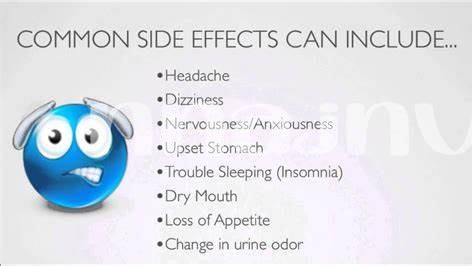
Microdosing stories often gloss over a simple truth: even low-dose stimulants can cause jittery nights, headaches, or anxiety, and provigil is no exception. Most users report milder effects—dry mouth, reduced appetite, or digestive upset—but more serious reactions like elevated blood pressure, rapid heart rate, or rare dermatologic syndromes have been reported.
Drug interactions are a real concern: modafinil induces CYP enzymes, altering levels of hormonal contraceptives, anticoagulants, and some antidepressants. Combining with alcohol or stimulants can amplify cardiovascular and psychiatric risks. Long-term safety remains incompletely studied, so clinicians advise monitoring, cautious dosing, and discontinuing use if worrying symptoms Occassionally arise. Patients with cardiac disease, liver impairment, or psychiatric history should recieve follow-up and regular testing.
Legal Status, Prescribing Rules, and Workplace Ethics
On Monday many professionals weigh whether provigil is a shortcut or a risk. Cautious curiosity leads to reading guidelines, checking lisence requirements and imagining how employers might respond before deciding to use it at work.
Doctors can prescribe modafinil for specific diagnoses, but off-label microdosing sits in a grey area; insurers and regulators often require documentation, and self-sourcing introduces legal and safety vulnerabilities many overlook, like import restrictions and penalties.
The workplace conversation often frames enhancement as a fairness issue: who gets access, who benefits, and whether disclosure should be mandatory. Clear policies, education and avenues to request reasonable accommodation reduce resentment and ambiguous outcomes.
Before experimenting many professionals consult clinicians first, consider workplace rules, and carefully weigh short-term boosts against long-term unknowns. Transparency, documented medical need and a cautious approach help individuals make informed, responsible choices about provigil use.
Smart Alternatives, Lifestyle Hacks, and Final Verdict
I started experimenting with structured routines and small wins, noticing clearer focus without pills. Framing productivity as design, not pharmacology, changed my mindset and daily outputs quite significantly.
Simple anchors worked: consistent sleep, brisk morning walks, strategic caffeine, and timed work sprints that respect ultradian rhythms. These habits compound, reducing the urge to chase unnecessary pharmacological shortcuts.
Supplements like L-theanine with caffeine, omega-3s, and controlled-light exposure have modest evidence. Prescription substitutes are not trivial; consult clinicians — Definately discuss risks and monitoring plans before any use.
My verdict: microdosing promises short boosts but uncertain long-term payoff; Aquire professional advice, weigh ethics and workplace policies, and prioritise sustainable, evidence-backed strategies that foster resilience over quick fixes. NHS: Modafinil Minzenberg & Carter review (2008)
