
Ozempic Myths Debunked by Experts
Separating Fact from Fiction: How Ozempic Works
A single weekly injection mimics GLP-1, a gut hormone that boosts glucose-dependent insulin release and lowers glucagon. Patients often feel fuller because the drug slows gastric emptying and reduces appetite.
Weight loss comes largely from eating less rather than burning dramatically more calories; metabolic improvements follow as blood sugar stabilizes. Effects appear over weeks, requiring patience and lifestyle changes.
Contrary to myths, it doesn't 'rewire' reward centers overnight or cause instant transformation; clinicians emphasize realistic expectations and monitor for side effects while integrating behavior support and follow-up for durable results.
| Mechanism | Primary Effect |
|---|
| GLP-1 receptor agonism | Improves glucose control |
| Slows gastric emptying | Appetite reduction |
Weight-loss Dreams Versus Reality: What Experts Say
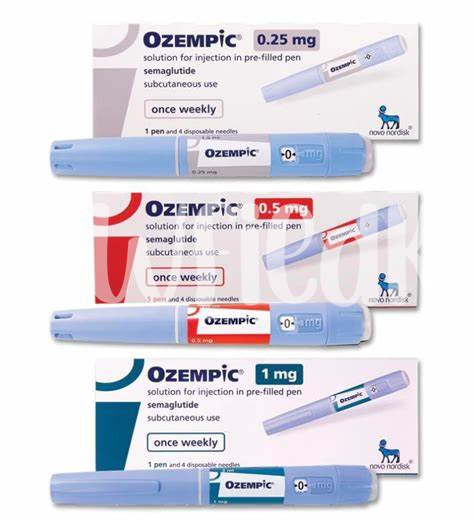
People often imagine a quick fix when they hear about ozempic, picturing steady weight drop without effort. Experts caution that medication can help appetite and metabolism but is not magic. Still, for people with obesity or type 2 diabetes, it represents a powerful tool when combined with behavioral counseling and realistic goals.
Clinical trials show meaningful average losses for many patients, yet results vary widely depending on diet, activity, and adherence. Long-term success usually requires ongoing lifestyle changes and medical follow-up. Expect fluctuations and plateaus; tracking progress helps clinicians tailor therapy.
Understanding realistic expectations prevents disappointment and unsafe shortcuts; stopping treatment often leads to regain unless sustainable habits are established and monitored with clinician oversight.
Safety Concerns Explained: Pancreas, Thyroid, and More
Many patients worried about ozempic first ask about pancreatitis and rare thyroid tumors. Clinical trials and post marketing data show a small signal for pancreatitis; causal links are not definitively proven, so monitoring and history taking matter.
Animal studies found thyroid C cell tumors at high doses, but human evidence remains limited. Experts recommend caution for those with personal or family medullary thyroid cancer or MEN2 syndromes; otherwise routine calcitonin screening is uncommon.
Gastrointestinal effects like nausea or vomiting are the most common and often ease with time. Dehydration can harm kidneys and, rarely, trigger gallbladder problems. Clinicians advise gradual dose increases and prompt symptom reporting.
Overall, experts weigh benefits against rare harms: shared decision making, personalized risk assessment, and regular follow up ensure safe use. Never start or stop ozempic without clinician guidance and clear monitoring plans in place.
Addiction and Dependence: Is Ozempic Habit-forming?
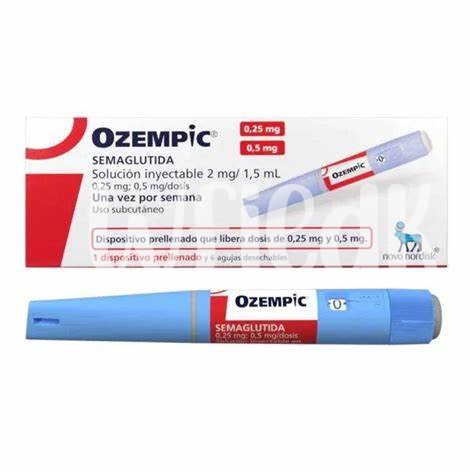
Patients sometimes worry that daily craving for a drug will develop into dependency; with ozempic the story is different. As a GLP-1 receptor agonist, it modifies appetite signals and slows gastric emptying rather than producing euphoric effects that underlie addiction. Clinicians report few cases of psychological craving tied to the medication.
Long-term stopping can cause weight regain and return of appetite, which feels like dependence but reflects physiology and behavior, not drug-seeking neuroadaptations. Responsible prescribing, clear goals, and support for lifestyle change reduce perceived reliance and help patients transition safely.
Off-label Use and Ethics: Cosmetic Prescribing Debate
A patient once asked why doctors prescribe ozempic for slimming rather than strictly for diabetes, and the answer reveals tension between medical benefit and image-driven demand. Clinicians note metabolic rationale for GLP-1 use outside label in selected patients, but stress informed consent, clear documentation of clinical goals, and close monitoring to prevent casual cosmetic prescribing.
Ethical debate centers on fairness, priority setting, and potential coercion; experts recommend prioritizing medical necessity, ensuring transparency about risks and limitations, supporting research into long-term outcomes, and creating equitable access policies. Practical safeguards include multidisciplinary review, eligibility criteria, and follow-up plans so aesthetic desire does not eclipse patient safety. Clinicians must balance individual benefit with societal responsibility, stewardship, and fairness.
| Concern | Recommendation |
|---|
| Resource allocation | Prioritize medical need |
| Informed consent | Explicit risk discussion |
Practical Guidance: Dosing, Cost, Access, and Expectations
Begin with a simple rule: start low and titrate slowly under medical supervision to balance effectiveness with side effects. Weekly injections are typical, but individualized schedules matter. Set realistic expectations—modest weekly weight changes build into significant loss over months, and stopping often reverses gains without lifestyle changes.
Cost and access vary; insurance may cover diabetes uses but rarely cosmetic ones. Patient assistance programs, coupons, and clinical trials can lower expenses. Discuss affordability and goals with your clinician to ensure prescriptions, monitoring, and follow-up adequately fit both budget and medical needs.
