
Omnacortil Interactions: What Medicines to Watch
Common Prescription Drugs That Alter Steroid Effects
Imagine opening a medicine cabinet and finding drugs that quietly change how your steroid works; many prescriptions alter steroid blood levels by affecting liver enzymes. Strong CYP3A4 inhibitors such as ketoconazole or some HIV protease inhibitors can raise steroid concentrations, increasing risk of weight gain, hypertension and glucose intolerance. Conversely, enzyme inducers like rifampin, carbamazepine or phenytoin can lower steroid effectiveness, causing disease flare or treatment failure and adrenal suppression.
Because interactions can be subtle, clinicians monitor for signs and adjust dosing or select alternative agents. Anticoagulants, some antidepressants and vaccines may also be affected, so always tell providers about steroid use. Practical steps include reviewing medication lists, spacing doses when advised, and checking lab values for glucose, electrolytes and drug levels. Collaborative planning reduces surprises and keeps therapy both safer and more effective. Ask your pharmacist about interaction risk.
| Drug/Class |
Typical Effect on Steroids |
| CYP3A4 inhibitors (e.g., ketoconazole) |
Increase steroid levels — higher side effect risk |
| CYP3A4 inducers (e.g., rifampin) |
Decrease steroid levels — reduced effectiveness |
| Anticoagulants (e.g., warfarin) |
Altered bleeding risk; dose monitoring advised |
| Antidiabetics |
May require dose adjustment due to hyperglycemia |
Over the Counter Remedies That Cause Dangerous Interactions
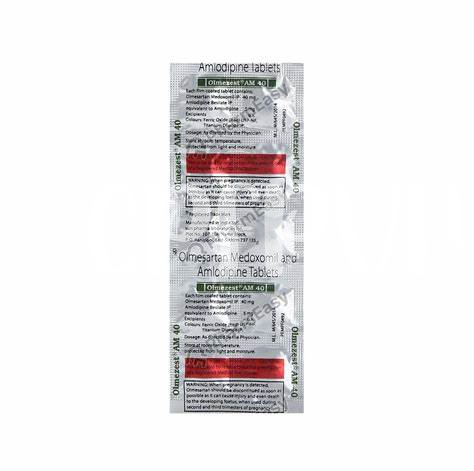
At the pharmacy aisle, a quick decision can ripple into serious harm; simple pain relievers and cold formulas often conceal interactions with omnacortil, amplifying side effects like stomach bleeding and high blood pressure.
Antacids, NSAIDs and topical decongestants may seem harmless, yet combined with steroids they can raise cardiovascular risk or blunt therapeutic effects. Even aspirin increases ulcer risk when layered with steroid therapy.
Tell your clinician about vitamins, fish oil and herbal teas, many are overlooked but can alter drug metabolism. A brief medication review prevents dangerous overlaps and keeps treatment effective. Pharmacists can suggest safer alternatives and timing strategies to minimize interaction risks while preserving symptom control and improve long-term outcomes for patients.
Herbal Supplements Clinicians Often Overlook in Consultations
A patient once arrived with fatigue and swelling, convinced her supplements were harmless. Many herbal remedies — especially St. John's wort, licorice root, and kava — can alter steroid activity, either accelerating metabolism or magnifying side effects.
St. John's wort induces CYP3A4, lowering levels of corticosteroids like omnacortil and risking treatment failure; licorice can mimic cortisol, raising blood pressure and potassium loss. Kava and valerian may increase sedation when combined with certain steroid regimens.
Always ask about herbal use: even green tea extracts, echinacea, or turmeric can affect immunity, liver enzymes, or clotting when taken with steroids. Encourage patients to bring labels and coordinate with pharmacists to avoid harmful combinations. This simple step can prevent serious complications.
How Antibiotics Can Modify Steroid Metabolism Significantly
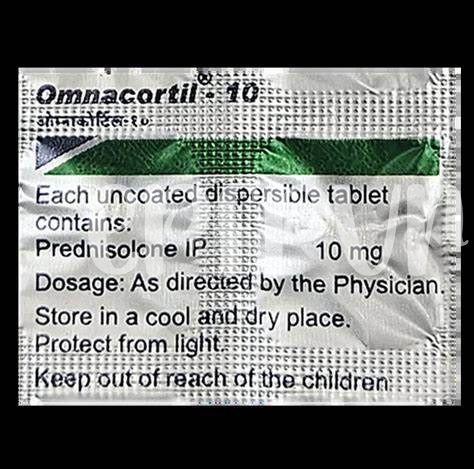
A patient once noticed persistent swelling after a short antibiotic course while on omnacortil; the unexpected reaction sparked careful detective work between pharmacist and physician. They wondered whether the antibiotic had altered steroid levels, changing efficacy and side effect risk.
Clinically, macrolide antibiotics may inhibit hepatic enzymes and raise steroid blood concentrations, while rifampin like drugs accelerate clearance and reduce effectiveness, two opposite risks clinicians must weigh when prescribing concurrently.
Beyond liver enzymes, antibiotics change gut microbiota that participate in enterohepatic recycling of corticosteroids, sometimes prolonging exposure or altering metabolite patterns; monitoring symptoms and labs helps detect these shifts early.
Patients should tell clinicians about all recent antibiotics; dose adjustments, alternative agents, or timing separation can prevent harm. Clear communication between prescriber, pharmacist, and patient kept the earlier case from becoming worse. Simple lab checks and symptom logs often help.
Blood Pressure and Diabetes Drugs Worsened by Steroids
When steroids like omnacortil are started, familiar routines can shift. Even low doses can cause measurable shifts.
Patients often notice higher blood pressure and rising glucose, undermining antihypertensives and diabetes pills. Symptoms may be subtle at first and build over weeks.
Clinicians may need to adjust doses, monitor electrolytes, and increase glucose checks to avoid complications. Close follow up prevents hospital visits.
Talk openly with your team before changes; coordinated care keeps treatment effective and safe. Bring an updated medication list.
| Drug | Risk |
|---|
| ACE inhibitor | Less control |
| Metformin | Higher sugar |
Managing Multiple Medications Safely with Your Healthcare Team
When you’re managing several prescriptions, keep an up-to-date list and bring it to every appointment; describing over-the-counter remedies, vitamins and herbs helps clinicians spot interactions and adjust dosages or monitoring plans.
Designate a single coordinator—often your primary care clinician or pharmacist—to reconcile medicines after hospital stays, review new prescriptions for corticosteroid interactions, and order necessary labs such as glucose and electrolytes.
Adopt practical tools—pill boxes, shared electronic medication lists and clear stop/start instructions—and never discontinue steroids suddenly: coordinate any changes, antibiotic starts, or blood-pressure adjustments with your team to reduce risks and ensure safe tapering. For clinicians and patients: review before changes: NCBI Bookshelf - Glucocorticoids overview and MedlinePlus - Prednisolone drug information
