
Ethics of Cognitive Enhancement - Fairness, Coercion, and Consent
Who Gets Ahead: Justice and Access Disparities
Neighborhood clinics hum with promises and anxieties as cognitive enhancers appear in slick ads; wealthy neighborhoods access private clinics and experimental trials, while underfunded schools and clinics lag. This gap shapes opportunity from childhood onward.
Insurance systems and regulatory frameworks often favor treatments over enhancements, making costly boosters inaccessible to many. Global inequities compound the problem as patents, pricing, and research priorities reflect existing geopolitical power dynamics and historical neglect.
Consequences are moral and practical: talent selection, educational tracking, and labor markets could reward access to enhancement rather than hard-won skill. Democracies risk entrenching privilege if redistributive measures and fair access are not designed deliberately.
Policymaking must combine subsidies, public provision, and global cooperation with community voices to prevent a cognitive caste. Ethical frameworks should prioritize equal opportunity, not merely individual advantage, preserving social cohesion and democratic legitimacy and fairness.
| Barrier | Likely Impact |
|---|
| Cost & access | Concentrated advantage |
Meritocracy under Pressure: Competence Versus Enhancement

In a crowded lecture hall, two students sit side by side: one studies late into the night, the other takes modafinil to extend focus. That quiet contrast embodies a moral question—does pharmacological aid change what it means to earn success?
Supporters say such tools can correct unequal starting points by amplifying attention and productivity, while skeptics fear they substitute pills for practice, rewarding access over effort. Empirical studies show modest short-term cognitive benefits but inconsistent effects on complex reasoning and creativity.
Thoughtful policy—clear disclosure, workplace protections, affordable access, and robust safety research—can help preserve meritocratic ideals while respecting autonomy. Without safeguards, enhancements risk eroding trust and deepening social inequality and altering definitions of worth today.
Soft Coercion: Social Expectations and Workplace Pressures
In the open-plan office Marta watched colleagues pass around pills and discuss late-night coding sprints with a casualness that felt like peer pressure. What started as curiosity about productivity hacks — caffeine, modafinil, extra sleep sacrificed for deadlines — evolved into an unspoken rule: perform or justify why you don’t. Personal ambition blurred with social expectation, turning enhancement into a tacit job requirement.
Employers must recognize soft coercion and craft policies that protect choice: clear accommodations, no incentives tied to enhancement, education about risks, and confidential health support. Regulators should consider transparency requirements and safeguards so that autonomy remains intact and employees aren’t implicitly penalized for refusing cognitive enhancers. Workplace cultures must prioritize wellbeing over output metrics.
Informed Consent Challenges with Novel Neurotechnologies
A clinician describes a brain-stimulation trial to a candidate who struggles to imagine future identity changes. Complex diagrams and uncertain outcomes blur understanding; the narrative of hope competes with the reality of unknowable long-term effects.
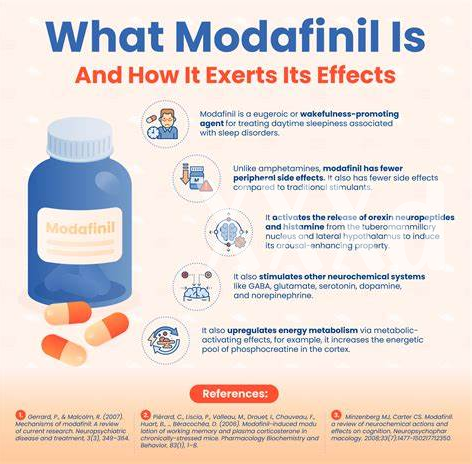
Patients often conflate experimental enhancement with familiar drugs like modafinil, assuming guaranteed benefit. Consent documents overflow with technical jargon, while comprehension checks are rare, leaving true voluntary choice questionable and ethical oversight sometimes feels distant.
Vulnerable populations—students, soldiers, cognitively impaired—face subtle pressures. Continuous data streams from devices complicate privacy and withdrawal: can someone truly revoke consent once neural patterns have been recorded and third parties gain access in practice often.
Addressing these challenges requires layered strategies: simplified consent materials, iterative discussions, independent advocates, explicit limits on data sharing, and robust post-implant monitoring. Only by treating consent as ongoing process can autonomy be meaningfully protected today.
Long Term Safety Identity and Personality Concerns
Many pursue sharper focus with stimulants like modafinil or through invasive interventions, chasing an ideal self. Early benefits are vivid, but the brain’s plasticity raises questions about cumulative effects and vulnerability. Chronic exposure may interact with aging and comorbidities in unpredictable ways later in life.
Shifts in temperament, altered risk preferences, or dampened emotional depth may emerge subtly, eroding continuity of personality. Loved ones report someone familiar yet changed, creating ethical puzzles over authenticity and responsibility. Public narratives about 'enhanced' success can shift expectations and stigmatize the unenhanced over time.
Resolving these concerns demands long-term monitoring, transparent reporting, and pathways for reversal or support when changes occur. Policy should fund longitudinal studies and protect individuals who face identity shifts from enhancement, balancing innovation with cautious stewardship. Clinicians need guidance, registries, and redress mechanisms that are clear and timely for individuals.
| Risk | Action |
|---|
| Unknown long-term effects | Fund longitudinal studies |
| Personality/identity shifts | Provide support & registries |
Regulating Enhancement: Equity, Autonomy, and Public Policy
Regulators confront vivid choices as clinics offer cognitive boosters: balancing innovation with justice, they must map access pathways, fund community programs, and prevent markets from unduly privileging affluent, well-connected individuals.
Autonomy demands safeguards: clear consent protocols, transparent risk disclosure, and opt-out options that resist pressure. Evidence-based guidelines should adapt as technologies evolve, protecting individual choice and dignity through public oversight.
Public policy must weigh equity against innovation incentives: subsidies, sliding-scale access, and research funding can democratize benefits, while liability frameworks and international coordination reduce harmful disparities and exploitation over time.
