
Finasteride and Fertility: What Men Should Know
How Finasteride Works in the Male Body
Many men learn that a small tablet can change a hormonal cascade. Finasteride inhibits the enzyme 5 alpha reductase, reducing conversion of testosterone into dihydrotestosterone (DHT). Lower DHT shrinks prostate tissue and slows scalp hair loss, while shifting androgen balance in blood and reproductive tissues.
These changes can influence sperm environment transiently; some men notice altered semen parameters, though systemic testosterone seldom drops. Decisions about treatment and conception hinge on duration, dose, and monitoring. See quick summary:
| Target | Effect |
|---|
| DHT | Reduced |
| Sperm | Variable impact |
| Testosterone | Usually stable |
| Recovery | Often months |
Finasteride’s Documented Effects on Sperm Quality
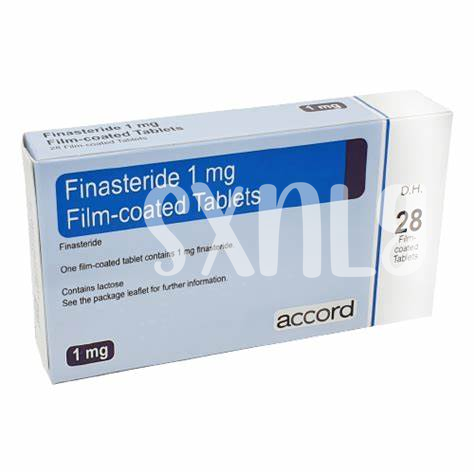
When men hear that finasteride may influence reproductive health, curiosity and concern follow. Clinical reports describe measurable changes in semen parameters, which has shifted research toward quantifying risks and guiding counseling rather than provoking alarm.
Studies have reported variable effects on sperm count, motility, and morphology; some men show mild declines while many exhibit no meaningful change. Effect sizes tend to be small and inconsistent, complicating definitive conclusions for individuals.
Dose and duration matter: larger doses or prolonged treatment correlate with greater semiquantitative declines in semen measures in several trials. Individual variability is large, so clinicians emphasize personalized risk assessment and semen testing when needed.
For men planning conception, shared decision-making matters: baseline semen analysis, discussion of alternatives, and aligning treatment timing with fertility goals can mitigate risk. Most observed changes appear modest and often improve following discontinuation over months.
Clinical Evidence: What Studies Show about Fertility
Clinical studies vary, but many report modest, reversible changes in semen parameters among men taking finasteride. Sample sizes and treatment durations differ, producing mixed results.
Some randomized trials note decreases in sperm concentration and motility, while others find no meaningful fertility impairment. Case reports also describe transient azoospermia, though these are uncommon.
Overall evidence suggests most men recover after stopping therapy, yet uncertainty remains for long-term or high-dose exposure; couples should discuss risks with clinicians before conceiving. Additional research is needed to clarify rare outcomes and guide clinical counseling decisions.
Reversibility and Timeframes for Fertility Recovery

A man facing choices about finasteride often fears lasting harm to fertility, but many experience recovery after stopping the drug. Sperm quality commonly begins to improve within weeks, with clearer gains over months. Individual results vary according to prior fertility, dose, and treatment duration and timeline.
Clinically, improvements are often detectable after one spermatogenic cycle, and many men show substantial recovery by six to twelve months. Longer or higher dose therapy can delay normalization, so repeated semen analyses at three and six months help monitor progress, guide referrals to specialists if recovery stalls.
Discussing plans with a urologist or reproductive specialist and with your partner enables informed choices. When conception is urgent, sperm banking before treatment or temporary discontinuation with monitoring are options. Personalized counseling weighs benefits, risks, and timelines so men can pursue fatherhood with clarity and confidence together.
Managing Conception: Dosage, Timing, and Precautions
Couples often imagine a simple timeline for conception, but medication choices require planning. Men taking finasteride should discuss dose and duration with their clinician; lower doses may reduce risk but evidence is limited. Stopping the drug before attempting conception is sometimes recommended, yet timing matters because sperm development cycles last about three months.
Before adjusting treatment, get baseline semen analysis and consider using barrier contraception until semen parameters are stable. If fertility is urgent, specialists may suggest temporary cessation, sperm banking, or switching therapies. Open dialogue with your partner and a reproductive specialist ensures risks are weighed against benefits, creating a plan that balances hair or prostate goals with the couple’s timeline and emotional needs.
| Action | Timing |
|---|
| Baseline semen analysis | Before changing dosage |
| Consider cessation | Discuss 3 months pre-conception |
| Sperm banking | Before stopping finasteride |
Alternatives, Counseling, and Collaborative Decision Making
When facing choices about hair-loss treatment and fertility, men should weigh options like topical agents or lower-dose regimens while consulting a specialist and consider sperm banking as a precautionary option. Shared decision-making with a partner and doctor frames risks against reproductive goals, letting informed preferences guide treatment selection.
If concerns arise, semen testing and temporary drug suspension can clarify effects. Fertility-focused counseling and coordination with a urologist or reproductive specialist help set timing for conception attempts and monitor recovery, turning uncertainty into a manageable plan with ongoing periodic follow-up assessments.
