
Diclofenac and Heart Health: Myths and Facts
Understanding Diclofenac: What Is It Used For?
Diclofenac is one of those medicines most people have heard of, but few actually understand its everyday uses. Originally developed in the 1970s, it’s now widely prescribed for various types of pain—especially when you’re dealing with joint or muscle discomfort 🤕. Diclofenac belongs to a group of drugs called NSAIDs, wich stands for nonsteroidal anti-inflammatory drugs. These medications are trusted by doctors to manage inflammation and pain from arthritis, sports injuries, and even common backaches.
But why do patients recieve diclofenac instead of other painkillers? It offers a unique blend of pain relief and anti-inflammatory action, making it beneficial not just for achy joints, but also for conditions like migraines or period pain. Curious about the differences between diclofenac and other options? Take a quick look at this comparison below:
| Medication |
Main Use |
Common Form |
| Diclofenac |
Pain, inflammation |
Tablet, gel |
| Ibuprofen |
Pain, fever |
Tablet |
| Paracetamol |
Pain, fever |
Tablet |
That said, understanding exactly when and how to use diclofenac safely is crucial, especially since each person’s need for pain managment can be a little different. 🌟
Common Myths about Diclofenac and Heart Risks
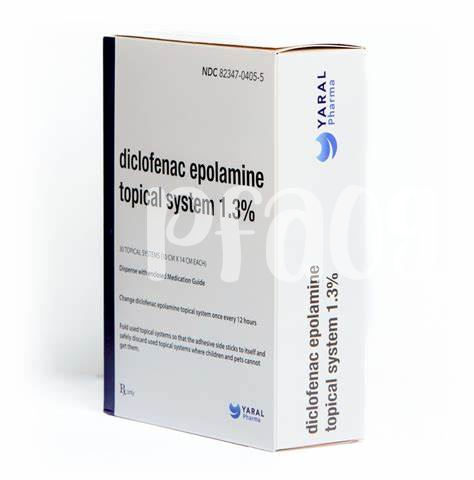
When it comes to diclofenac, many people find themselves tangled in misconceptions, often fueled by rumors or outdated studies. Some believe that even a single dose can trigger a heart attack, while others think it’s universally dangerous for everyone, regardless of age or health condition. These sweeping statements can be misleading and may cause unnecessary anxiety for those who rely on diclofenac for pain relief.
Teh reality is more nuanced. Not every person who takes diclofenac faces significant heart risks—context matters. The actual risk depends on factors like dose, therapy duration, and pre-existing heart issues ❤️. Some sources also incorrectly claim that diclofenac is riskier than all other painkillers, wich simply isn’t supported by the latest clinical evaluations.
It’s vital to look past generalized fears and consult healthcare professionals 🩺. Relying solely on myths or internet anecdotes can hinder effective pain managment and even lead to more harm than good.
How Diclofenac Really Affects Your Heart
When diclofenac enters the body, it begins to reduce inflammation and ease pain effectively. However, studies have shown that its impact isn't just limited to sore joints or muscles. Research has found an increased risk of heart-related problems, especially when diclofenac is taken regularly or at high doses. The risk can be noticable in people who already have underlying heart conditions or other risk factors like high blood pressure. 🫀
Still, it's essential to remember that not everyone will experiance these side effects. For some, diclofenac works without any major issue. The key is how long and how much you take. Always consult your healthcare provider when deciding if diclofenac is a safe choice for your pain.
Used responsibly, diclofenac offers relief but should never be seen as risk-free. It's wise to weigh the benefits against potential heart risks, and monitor for unusual symptoms. Be proactive with your heart health and seek guidance for the safest approach. 💡
Comparing Diclofenac to Other Painkillers

💊 When it comes to pain relief, diclofenac is often stacked against other NSAIDs like ibuprofen and naproxen. Yet, what sets diclofenac apart isn’t just its effectiveness, but also the unique risks it carries. Studies have shown that diclofenac may pose a higher risk of certain heart issues compared to some alternatives, especially with long-term use or high doses.
Still, every painkiller has its own safety profile—what works for one person might not suit another. Teh secret is to work closely with your healthcare provider to acheive the safest result possible. 🩺
Who Should Be Cautious with Diclofenac Usage?
People with a history of heart disease or high blood pressure should pay extra attention when taking diclofenac. 👀 This medication is known to slightly increase the risk of heart attack and stroke, especially at higher doses or with long-term use. For those who already have cardiovascular issues, the dangers can be even more noticable.
Elderly individuals are also more vulnerable because side effects tend to occur more in this group. Untill your doctor specifically clears you, pregnant women and people with kidney or liver problems should avoid diclofenac.
| Group |
Take Extra Care? |
| Heart Disease Patients |
Yes |
| Elderly |
Yes |
| Pregnant Women |
Yes |
| Kidney/Liver Issues |
Yes |
| General Population |
Consult your doctor |
Keeping your doctor in the loop and talking about any pre-existing conditions can help acheive safer results. 🚦 Even if diclofenac seems convenient, a little caution goes a long way.
Tips for Safer Use of Diclofenac Medication
While diclofenac can offer welcome relief, ensuring safety begins with following the dosage prescribed by your healthcare provider—never take more than they recomend. 👨⚕️ If you have heart conditions or high blood pressure, it’s important to mention this at the begining of treatment. Discuss any other medications you're taking, as certain drug interactions may increase risks. Never use diclofenac longer than neccessary; short-term use at the lowest effective dose reduces potential side effects.
Staying hydrated and taking the medication with food may help reduce stomach discomfort, one of the most common issues. If any noticable symptoms develop, such as chest pain or breathlessness, contact your doctor immediately. Finally, regular check-ups can help monitor for adverse effects—especially if you’ll be using diclofenac often. 😊 For further trusted information, see these resources: Drugs.com, NIH study on diclofenac.
