
Cleocin and Acne: How It Works for Dermatological Use
Understanding Cleocin: What It Is and How It Works
Cleocin, commonly known as clindamycin, is a powerful antibiotic used in dermatology to tackle the persistent issue of acne. By targeting and reducing the bacteria responsible for acne inflammation, Cleocin helps decrease skin redness and swelling. This effective antimicrobial solution hinders bacterial growth, offering visible improvement for those battling breakouts.
| Key Features of Cleocin |
| Kills acne-causing bacteria |
| Reduces inflammation and redness |
| Applied topically or taken orally |
The Science Behind Cleocin's Acne-treating Abilities
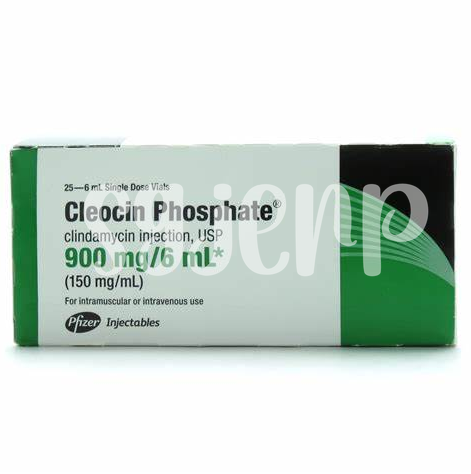
Cleocin, known chemically as clindamycin, targets acne at a cellular level by inhibiting bacterial protein synthesis. Acne, often exacerbated by the bacteria *Propionibacterium acnes*, finds a formidable foe in Cleocin. By disrupting essential protein production within these bacteria, Cleocin essentially starves the microorganisms of the components they need to thrive and replicate. This disruption diminishes bacterial presence and subsequently reduces the inflammation and swelling that characterize acne breakouts.
But the power of Cleocin doesn't stop at bacterial inhibition. It also plays a crucial role in modulating the skin's inflammatory response. As bacteria-induced inflammation subsides, so too does the redness and discomfort typically associated with acne. This dual action—bacterial suppression coupled with anti-inflammatory effects—makes Cleocin an effective choice for those battling persistent acne, offering them potential relief from the distressing condition.
Comparing Cleocin: Effectiveness Versus Other Treatments
Cleocin, a well-regarded topical antibiotic, often stands out when compared to other acne treatments due to its specific targeting of acne-causing bacteria. While benzoyl peroxide or salicylic acid are popular choices, Cleocin offers a more direct approach by inhibiting bacterial protein synthesis, thereby reducing infection and inflammation at the source. This mechanism can provide clearer skin for patients who haven't responded well to other over-the-counter remedies.
However, it's crucial to examine Cleocin in the context of other prescription treatments like oral antibiotics or retinoids. Oral antibiotics may address acne from within, but Cleocin presents fewer systemic side effects, making it a preferred choice for many users seeking topical solutions. Additionally, retinoids, known for their regenerative effects, can enhance skin texture but may initially exacerbate symptoms, positioning Cleocin as a more stable option for immediate relief.
In patient narratives, the effectiveness of Cleocin is frequently highlighted for its ease of use and minimal side effects. Users often report a noticeable improvement in inflammatory acne and quicker healing of blemishes compared to over-the-counter products. While no single treatment fits all, Cleocin’s targeted action on bacteria provides a compelling alternative for individuals seeking focused relief from acne without the need for multi-step regimes.
Real-world Experiences: Cleocin’s Impact on Acne Sufferers
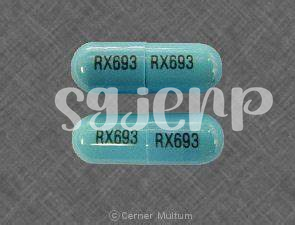
Many acne sufferers report significant improvements after incorporating Cleocin into their skincare routines. Amy, a college student, shared that using Cleocin helped diminish her stubborn acne within weeks, boosting her confidence for the first time in years. Similarly, Michael, a young professional, found Cleocin particularly effective in reducing painful, inflamed lesions that had long troubled him. Users often praise its ability to quickly target and reduce acne's severity, making Cleocin a valuable ally in the battle against breakouts.
Side Effects of Cleocin: What to Watch for
While Cleocin can be a powerful ally in combating acne, awareness of potential side effects is crucial. Commonly, users might experience dryness, itching, or redness at the application site. These reactions are usually mild, yet they can be bothersome. For those using Cleocin, being vigilant about any unusual changes is key, as in rare cases, it could lead to more severe skin reactions or even systemic issues like diarrhea.
| Common Side Effects |
Severe Side Effects |
| Dryness, Itching, Redness |
Severe Skin Reactions, Diarrhea |
Maximizing Results: Tips for Using Cleocin Effectively
To harness the full potential of Cleocin in treating acne, it’s crucial to adhere to consistent application as prescribed by your healthcare provider. Applying it at the same time each day ensures a steady level of medication is maintained in the skin, maximizing its effectiveness. Ensure the skin is clean and dry before use; this aids in significant absorption and minimizes irritation risk. Complement Cleocin with a gentle skincare routine, avoiding harsh scrubs or irritating products that can exacerbate sensitive skin.
Patience is key when using Cleocin, as visible improvements might take several weeks. Refrain from using other acne treatments concurrently unless directed by a dermatologist, as this could cause adverse interactions. For more information, visit NCBI and AAD.
