
Cephalexin Resistance: Causes and Prevention Strategies
How Bacteria Outsmart Cephalexin: Resistance Mechanisms
Microbes can turn a wonder drug into a dud by evolving clever biochemical tricks. Some bacteria produce beta-lactamases that cleave cephalexin’s beta-lactam ring, while others alter penicillin‑binding proteins so the antibiotic no longer binds effectively. Changes in membrane porins reduce drug entry, and active efflux pumps expel antibiotics before they reach lethal concentrations.
Genetic exchange accelerates spread: plasmids, transposons and integrons shuttle resistance genes across species, and selective pressure from overuse favors resistant strains. Protective biofilms shelter communities from drug exposure, complicating therapy and diagnostics. Recognizing these mechanisms helps clinicians choose alternative agents, guide stewardship, and prioritize rapid diagnostics and infection control to slow further evolution of resistance. Public health measures and prudent prescribing can reduce selection pressure, but global coordination and surveillance are essential to track emerging variants and share effective countermeasures. Research on enzyme inhibitors offers renewed hope.
| Mechanism | Effect |
|---|
| Beta-lactamase production | Enzymatic drug degradation |
| PBP modification | Reduced drug binding |
| Porin loss / decreased permeability | Reduced drug uptake |
| Efflux pumps | Active antibiotic removal |
| Biofilm formation | Community-level protection |
| Horizontal gene transfer | Rapid spread of resistance genes |
Overuse and Misuse Driving Drug Resistance Globally
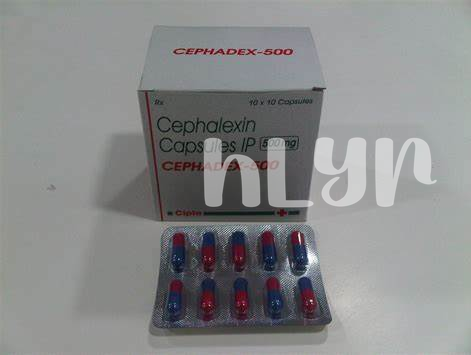
In clinics and farms alike, repeated prescriptions and leftover pills create a breeding ground for resistant strains. When patients stop cephalexin early or use it without confirmation of a bacterial infection, bacteria survive and adapt; each exposure selects for variants that no longer respond. Children and immunocompromised people suffer disproportionately, facing limited options when first-line drugs fail.
Poor regulation, over-the-counter access, and aggressive agricultural use amplify the problem across borders. Antibiotic-rich runoff and international travel let resistant organisms spread, turning local misuse into a global public-health crisis.
Changing the story requires stronger stewardship: targeted diagnostics, clinician education, and public campaigns to discourage unnecessary courses. Policies restricting nonessential agricultural antibiotics and improving access to rapid tests can help preserve effectiveness for future generations. Individual actions such as finishing prescribed courses, avoiding self-medication, and advocating for sensible policies also matter more urgently.
Diagnostic Challenges: Detecting Cephalexin Resistance Early
In the clinic a patient’s fever can mask a subtle microbiological battle: bacteria that look susceptible at first glance may harbor mutations or produce enzymes that blunt cephalexin’s punch. Routine cultures and disk diffusion tests are slow and sometimes insensitive to low-level resistance, while molecular assays detect genes but not expression or emerging mechanisms. Heteroresistance and biofilm-associated phenotypes further obscure results, creating false reassurance and delayed treatment changes.
To catch resistance early clinicians need faster, integrated approaches: rapid phenotypic methods that measure growth in the presence of cephalexin, alongside PCR or sequencing to flag resistance determinants. Investment in point-of-care tests, routine MIC reporting, and vigilant surveillance can shorten the time to appropriate therapy. Equally important is clear communication between laboratory and bedside—interpreting borderline results, repeating tests when clinical response lags, and proactively adapting empiric therapy based on local susceptibility trends.
Clinical Implications: Treatment Failures and Patient Outcomes

An infection that resists drugs can feel like a betrayal—patients on cephalexin who do not improve watch fevers climb. Such treatment failures often delay recovery, forcing additional visits, tests, and antibiotic changes. When initial therapy misses the mark, the window for uncomplicated cure narrows.
Consequences extend beyond symptom persistence. Resistant infections increase risks of complications like abscesses, bacteremia, or organ damage, especially among the elderly and immunocompromised. Prolonged symptoms also harm quality of life and productivity as people miss work.
Healthcare systems absorb higher costs from longer hospital stays, more intensive care, and use of broader-spectrum agents. This amplifies antimicrobial resistance by promoting antibiotic selection pressure across populations and communities.
Timely culture-guided therapy, early escalation when warranted, and clear patient communication about adherence and warning signs reduce harms. Integrating stewardship principles into routine practice preserves treatment options and improves outcomes.
Antibiotic Stewardship Strategies to Preserve Cephalexin Effectiveness
Clinicians and communities can slow the march of resistant bacteria by treating cephalexin as a precious resource. Robust stewardship weaves diagnostic certainty, narrow spectrum prescribing and clear stop dates into everyday practice, while education empowers patients to avoid demands for unnecessary antibiotics.
Practical steps include testing, audit and feedback, optimized dosing and community outreach to sustain gains.
| Strategy | Action |
|---|
| Diagnostics | Use rapid tests and culture guided therapy when possible |
| Prescribing | Prefer narrow spectrum agents; specify dose, duration and review |
| Stewardship | Implement audit and feedback with clinician education sessions |
| Surveillance | Track resistance trends, report data, and adapt local guidelines |
| Access | Ensure diagnostics and antibiotics are affordable and available |
| Community | Educate public on responsible use, vaccination and hygiene |
Community Prevention: Hygiene, Vaccines, and Policy Interventions
Simple habits are front-line defenses: regular handwashing, safe food handling, and improved sanitation cut infection rates that otherwise drive cephalexin use. Schools, workplaces, and households adopting these routines lower transmission and reduce selection pressure favoring resistant bacteria. Community campaigns make these practices habitual and measurable nationwide efforts too.
Vaccination reduces common bacterial and viral infections, cutting empirical prescriptions and directly lowering cephalexin exposure. Strong vaccine coverage lessens herd transmission and slows resistance emergence. Prioritizing equitable distribution, clear public education, and school‑based immunization clinics maximizes community-wide impact and reduces unnecessary antibiotic demand in all settings.
Local policy—surveillance, prescription controls, improved diagnostics, and public education—aligns incentives for responsible prescribing and prevention. Community engagement and sustained funding for infrastructure create resilient systems that maintain low infection rates and protect cephalexin effectiveness. Policy evaluation with measurable targets supports long-term success. CDC_guidance PubChem_cephalexin
