
Augmentin Resistance: Causes and Prevention Strategies
Why Bacteria Outsmart Common Antibiotics: the Hidden Tricks
Imagine a microscopic arms race inside your body: bacteria mutate, tweak their targets and pump out drugs before antibiotics can act. These changes are often small — a single protein swap — but they blunt an antibiotic’s effect and let infections persist.
Bacteria also hide inside biofilms and share resistance genes on plasmids, turning one resistant cell into an entire community problem. Under selective pressure from repeated or unnecessary prescriptions, these traits spread fast.
That’s why diagnostics, precise dosing and limiting broad‑spectrum use matter: they reduce opportunities for adaptation, preserve effective drugs and protect future patients. Simple stewardship steps can shift the balance back toward treatments that actually work. Public awareness, diagnostics and regulations support long-term success.
Misuse and Overprescription Fueling Rising Resistance Rates

A clinic bustle hides a dangerous habit: antibiotics handed out like candy. Each casual prescription chips away at future treatment options.
Doctors under time pressure sometimes prescribe broad spectrum drugs such as augmentin without confirming bacterial infection, accelerating selection for resistant strains in community settings.
Patients saving leftovers, self-medicating, or stopping doses early create survival pressure for bacteria. Resistant infections then require stronger, costlier, and longer treatments.
Reducing inappropriate prescriptions, using tests, and educating patients can slow resistance. Thoughtful prescribing preserves options so augmentin and others remain effective for years.
Diagnostic Gaps That Lead to Unnecessary Antibiotic Use
A hurried clinic visit can turn a viral cough into a prescription. Clinicians, pressed for time and lacking fast, reliable tests, too often default to antibiotics. That snapshot decision, intended to be safe, feeds a larger problem in primary care clinics and emergency departments.
Diagnostic blind spots—slow cultures, insensitive point‑of‑care assays, and ambiguous symptoms—blur bacterial versus viral disease. Physicians prescribe empirically to avoid missed bacterial infections, but this routine elevates unnecessary augmentin use and accelerates resistance and harms population-level treatment efficacy.
Better rapid diagnostics, clearer clinical pathways, and diagnostic stewardship change the calculus: targeted therapy reduces harm, preserves antibiotic options, and keeps augmentin effective for those who truly need it and reduces long-term healthcare costs.
How Biofilms and Plasmids Spread Resistance Genes
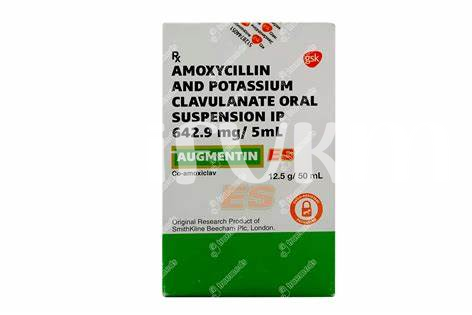
Bacteria often hide in sticky communities on surfaces, where cells are protected from antibiotics and immune attacks. Within these biofilms, drugs like Augmentin penetrate poorly, and survival of a few resistant individuals lets resistance traits persist and multiply. Layers of extracellular polymeric substances trap nutrients and slow antimicrobial diffusion, creating microenvironments where mutation and selection operate efficiently. This shields communities long enough for transfer events to occur frequently.
Plasmids — small, mobile DNA circles — shuttle resistance genes between bacteria, even across species, in a molecular marketplace that accelerates adaptation. When biofilms and plasmids act together, pockets of high-density bacteria exchange resistance genes rapidly, turning treatable infections into stubborn, chronic problems and undermining standard therapies. Clinical implications are severe: treatment failures increase hospital stays, prompt use of broader-spectrum agents, and raise morbidity, especially in vulnerable patients, and drive healthcare costs higher, dramatically.
Stewardship Strategies Doctors Can Adopt Today
In clinic, a seasoned physician pauses before prescribing, picturing the microbes that might outsmart augmentin. Simple steps, confirming signs, using local antibiograms, and narrowing therapy, turn vague habit into deliberate care. Patients respond better when treatment feels targeted.
Clinicians can adopt point-of-care testing, delayed prescriptions, and peer feedback loops to reduce unnecessary courses. Documenting rationale and reviewing culture results avoid reflexive broad-spectrum choices. Educating trainees creates a culture where resistance risks are discussed instead of dismissed.
Hospitals should track augmentin efficacy and share resistance trends with prescribers; small policy shifts, like narrow partner-agent selection and regular audits, yield measurable declines in treatment failures and preserve options for future patients. This stewardship protects community health now.
| Action | Benefit |
|---|
| Delayed prescription | Reduces unnecessary antibiotic use |
Practical Patient Steps to Prevent Antibiotic Treatment Failure
Picture this: you start an antibiotic and feel better after two days, but stopping early can let tougher bacteria survive and rebound. Always take the full prescribed course, follow dosing times closely, and finish even if symptoms improve; partial treatment trains microbes to resist.
Never share medicines or use leftover antibiotics—what worked for someone else, or for a different infection, may be ineffective and dangerous. Ask your clinician whether testing (culture or rapid diagnostics) is appropriate before treatment, and clarify allergies, interactions and expected side effects so you can adhere safely.
Practice handwashing, stay up-to-date on vaccines, avoid pressuring clinicians for antibiotics, store meds correctly, and seek prompt follow-up if symptoms persist or worsen quickly.
