
Antabuse Vs Other Treatments: Comparing Effectiveness
How Antabuse Works: Mechanism and Practical Effects
Disulfiram blocks aldehyde dehydrogenase so drinking causes rapid acetaldehyde buildup; the result is unpleasant flushing, nausea, headache and tachycardia that strongly links alcohol to discomfort. This biochemical consequence is immediate and predictable.
Clinically, Antabuse functions as a behavioral aid more than a cure: patients avoid drinking to prevent the aversive reaction, which supports abstinence especially in motivated individuals with supervised dosing.
Onset of deterrence occurs within hours of dosing and can last days; because disulfiram does not reduce craving, it is most effective combined with counseling and monitoring to sustain adherence.
Practical effects include a strong immediate behavioral deterrent and clear safety cautions: even small amounts of alcohol can trigger severe reactions, interactions with other medications occur, and liver function should be regularly monitored. The predictable link between drinking and rapid discomfort helps some patients maintain long-term sobriety when supported.
| Effect | Onset |
|---|
| Aversive reaction | Within hours |
Comparing Antabuse Efficacy to Naltrexone and Acamprosate
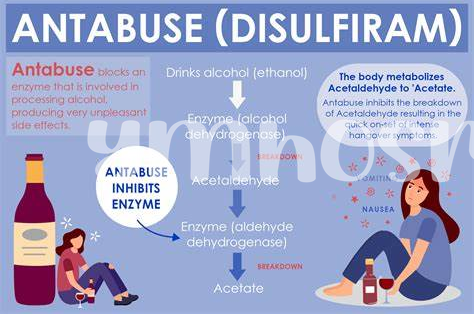
Clinically, antabuse produces a conditioned aversive response that deters drinking, while naltrexone bluntly reduces craving and reward from alcohol. Acamprosate, by stabilizing glutamate–GABA balance, supports abstinence after detox. Efficacy varies: antabuse prevents relapse when taken reliably; naltrexone and acamprosate lower drinking and sustain sobriety differently.
Trials show modest effect sizes for all three; adherence and psychosocial support determine success. Antabuse suits highly motivated or supervised patients willing to avoid any alcohol, whereas naltrexone favors reduction targets and acamprosate aids long-term abstinence. Combining meds with therapy maximizes outcomes and tailors treatment.
Behavioral Therapies Paired with Medications Improve Outcomes
When Maria entered treatment, medication steadied cravings while therapy rebuilt routines and hope. Combining antabuse with motivational interviewing and cognitive behavioral techniques gave her tools and a safety plan to resist urges and relapse triggers.
Group sessions offered peer accountability; family therapy repaired relationships damaged by alcohol. Studies show combined pharmacotherapy and psychosocial support reduce heavy drinking days more than medication alone, improving retention and creating skill-building environments for recovery.
Therapists tailor approaches—contingency management rewards sobriety, while relapse prevention maps high-risk scenarios. Integrating medication like antabuse ensures physiological deterrence complements cognitive strategies, so behavior change is reinforced both chemically and psychologically over weeks and months.
Clinicians monitor side effects, adherence, and psychosocial progress, adjusting intensity as needed. For many, the synergy between medicine and therapy transforms ambivalence into committed practice, lowering relapse risk, improving quality of life over the long-term.
Side Effects, Safety Profiles, and Long-term Risks
Deciding to take antabuse often feels like choosing a safety net and a challenge at once. Patients report immediate reactions when alcohol is consumed—flushing, nausea, headache and palpitations—which are predictable deterrents but can be intense and distressing without supervision sometimes.
Less common, yet serious, risks include liver toxicity, peripheral neuropathy and psychiatric symptoms; regular monitoring of hepatic function and baseline assessment are prudent. Antabuse interacts with many medications and medical conditions, so careful review by a clinician reduces avoidable harm.
Long-term outcomes are mixed: some tolerate prolonged use well, while others require discontinuation for adverse events. Reassessment, informed consent and integration with psychosocial supports help balance risks against benefits and tailor treatment to individual needs.
Patient Suitability: Who Benefits Most from Antabuse
A candid conversation with a patient often reveals when antabuse fits best: individuals motivated to avoid drinking, who accept clear deterrence, actively engaged and those with reliable supervision. It’s rarely for ambivalent or sporadic drinkers.
Clinicians may prefer it for patients with repeated relapse despite other treatments, or when opioid blockade or craving-reduction options failed. Regular monitoring and a stable living situation increase the chance of sustained adherence and safety.
Not everyone qualifies: significant hepatic dysfunction, pregnancy, severe cardiac disease, or impulsive behavior that risks intentional drinking under deterrent effect make it unsafe. Comprehensive medical assessment guides suitability before prescribing this medication and informed consent.
Ultimately, the best candidates embrace a clear abstinence goal, accept medical supervision, and commit to counseling. Shared decision-making, periodic review, and contingency planning transform antabuse from a punishment into a practical tool for recovery success.
| Ideal | Contraindicated |
|---|
| Motivated, supervised patients | Pregnancy; severe liver disease |
Practical Considerations: Cost, Adherence, and Accessibility
Choosing a medication often depends as much on practical realities as on clinical evidence. Antabuse is inexpensive and can be administered under supervision, which helps patients who benefit from external accountability; however, monthly clinic visits or supervised dosing add time and travel costs. Oral alternatives like naltrexone require fewer restrictions but may be pricier or need insurance prior authorization, shifting the burden to pharmacies, paperwork, and variable copays in practice.
Adherence is shaped by side-effect profiles, dosing schedules, and patient preferences: a daily pill taken privately can suit some, while others succeed with supervised or long-acting formulations. Accessibility varies—rural clinics may lack monitoring services, and stigma or transportation barriers reduce follow-through. Clinicians should weigh patient lifestyle, local resources, and affordability, and pair medication with reminders, family support, or telehealth to boost completion and sustained recovery and lower relapse rates overall.
